Comforters provide an insulating layer of bedding designed to support warmth and comfort during sleep. Their feel and temperature characteristics depend on materials, fill, construction, and the use of a duvet cover. When comparing bedding, consider room climate, personal warmth preferences, and how a comforter coordinates with sheets and pillows.
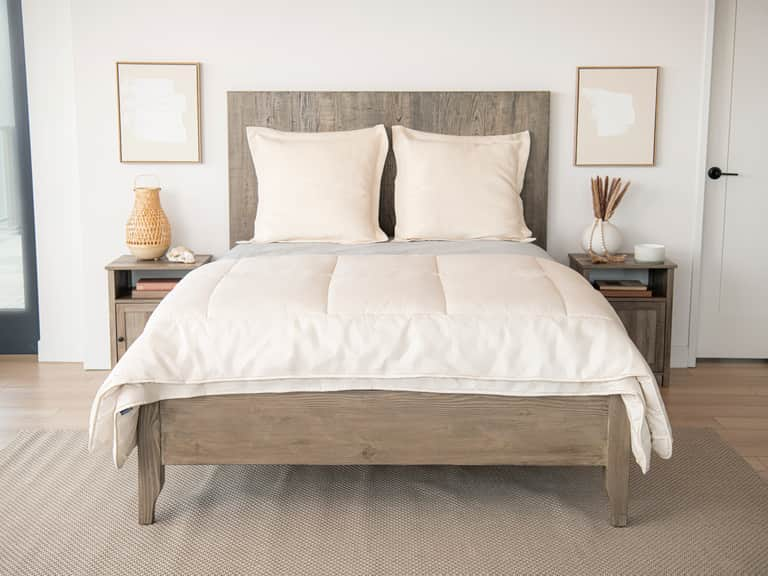
The Naturepedic Alpaca Duvet Insert Comforter is a fill-based option for use inside a compatible duvet cover. Alpaca fiber is valued for its lightweight insulation and natural ability to help regulate warmth. These characteristics can make the comforter useful across changing temperatures, while the cover helps protect the insert and simplify bedding care.
Comforter construction affects how evenly warmth is distributed and how the insert rests within a duvet cover. Dimensions, fabric feel, and care instructions are important practical considerations, especially when matching an insert to existing bedding. Checking product specifications can clarify material details and help determine whether the comforter suits a particular sleep setup.
A comfortable sleep environment depends on the whole bedding arrangement, including comforters, sheets, and pillows. Memory foam pillows offer a different support feel from fiber-filled options, while sheet material influences the surface feel next to the skin. Choosing layers with compatible warmth and texture can help create a more consistent, comfortable bed.
Comforters can also be considered alongside broader bedroom priorities, such as material preferences and temperature needs. People evaluating organic mattresses may compare those materials separately from the fibers and fabrics in a duvet insert. Understanding each component’s role makes it easier to assess bedding choices based on insulation, maintenance, and personal comfort.
 Bedding