Vispring vs Naturepedic: A Comparison of Premium Organic and Luxury Mattresses
An in-depth, editorial guide to two venerable names in sleep luxury and organic comfort. We dissect materials, certifications, feel, and sustainability to illuminate how to choose between a flagship luxury experience and a rigorously organic bedding philosophy.
Introduction: two worlds of sleep luxury
In the realm of premium mattresses, Vispring and Naturepedic occupy distinct but intersecting corners of the market. Vispring embodies a tradition of hand-crafted opulence, weaving natural fibers, springs, and artisanal upholstery into a couture-like sleep surface. Naturepedic, by contrast, positions organic certainty at its core, building mattresses that foreground non-toxic materials, sustainability, and transparent certifications. For discerning sleepers, the choice between these two brands often boils down to a balance between tactile luxury and a pristine organic promise.
What follows is a nuanced exploration—not a mere product comparison, but a mood board of sensibilities: the feel of materials under pressure, the way warmth and breathability behave across the night, the certification languages that establish trust, and the practicalities of testing luxury versus organic setups in showrooms or at home. For readers who crave a verdict, the answer lies in understanding personal sleep architecture, climate, and values around sustainability.
Brand Profiles: core materials and construction philosophies
Vispring: artisanal luxury with handcrafted springs
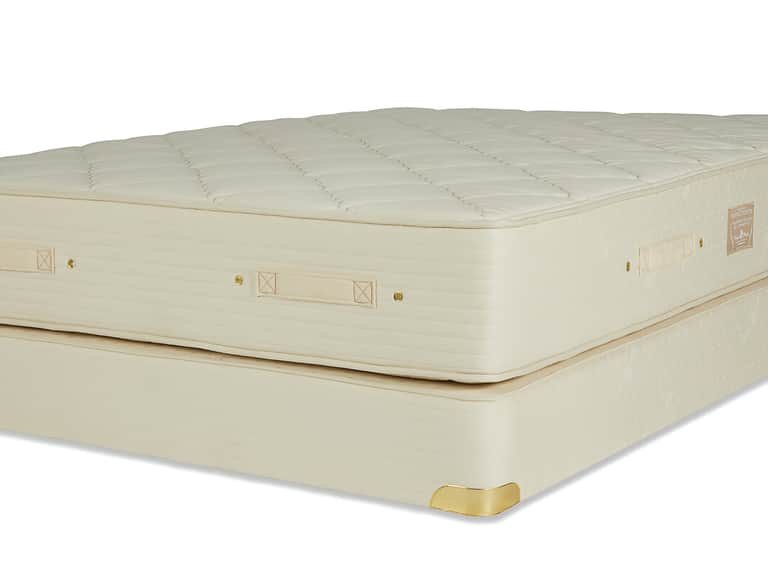
Vispring is synonymous with meticulous craftsmanship and a long lineage of upholstery artistry. The Sublime Superb, as showcased in the accessible product data, unveils a layering philosophy that blends natural materials with a robust pocketed-spring system. The use of horsetail and Real Shetland wool, combined with silk and mohair, speaks to a maximalist opulence where each layer serves a defined role: buoyant responsiveness, temperature regulation, and a soft but resilient surface feel. The ticking fabric—viscose and cotton—promotes moisture management, while the hand-nested calico pocket construction and Vanadium-steel springs deliver individualized support and edge stability.
For readers familiar with Vispring, the brand represents a tactile, almost couture approach to sleep. The experience is often described as buoyant yet grounded, with a pronounced sense of contouring that responds to movement without bottoming out. The aesthetic is as much about the psychology of luxury—an aspirational texture you can feel under the body—as it is about performance metrics.
Naturepedic: organic clarity and transparent sustainability
Naturepedic centers its identity on certifications and non-toxic design. The brand’s mattresses prioritize organic cotton, certified-organic layers, and carefully selected foams and springs that align with a strict, sustainability-forward ethos. In practice, Naturepedic seeks to minimize chemical exposure and environmental impact while maintaining a durable, comfortable sleep surface. The brand’s matrices of materials often emphasize breathable, natural components—cotton, wool, latex—and a commitment to transparent labeling that helps sleepers understand the lifecycle of their mattress.
In comparison to Vispring’s artisanal richness, Naturepedic is less about couture and more about conscientious engineering: a clean line between comfort and certification, with emphasis on the health implications of materials and their supply chains. The sensory impression can be lighter in weight, with a notable emphasis on warmth balance, airflow, and a crisp, straightforward feel that many organic-minded shoppers gravitate toward.
Certifications and sustainability: what buyers should know
Certifications function as a shared vocabulary between brands and consumers. They signal third-party verification of materials, processes, and safety standards. In premium and organic mattress spaces, you’ll encounter labels that indicate organic content, toxin-free manufacturing, and environmental stewardship. The key is to translate certification jargon into practical reliability for your sleep health and ecological footprint.
- Organic content certifications (e.g., GOTS): Indicate organic cotton or other fibers meet stringent processing standards. This matters for durability, allergen considerations, and environmental impact.
- Non-toxic and safety standards (e.g., OEKO-TEX): Focus on minimizing harmful substances in fabrics and foams that contact sleepers.
- Certifications that reflect cruelty-free and sustainability programs: These can include wool and latex supply chain verifications, which reassure buyers about ethical sourcing and traceability.
Vispring’s material palette—real wool, horsetail, silk, mohair, and long-staple cotton—lives within a tradition that can boast attention to artisanal detail. Naturepedic’s framework—organic cotton layers, responsibly sourced latex or foams, and a firm emphasis on clean chemistry—speaks to the modern consumer’s demand for transparency. When shopping, consider not only the presence of a certification but the credibility and recency of the certification program, the scope of materials covered, and the lifecycle implications for the product you’ll spend a third of your life atop.
Buying considerations and feel differences: interpreting luxury versus organic comfort
A mattress’s feel is the most visceral credential you can test in a showroom or at home. Vispring’s constructions often yield a multi-faceted feel: buoyant contouring from pocketed springs, a supportive base layer, and a sumptuous upper upholstery that creates a plush, enveloping surface. Expect a pronounced live surface that responds distinctly to weight distribution, with a sense of luxury that diminishes as it compresses yet remains stable edge-to-edge. The Sensory journey includes a noticeable tension between the spring system’s resilience and the upper layers’ softness—a signature of high-end handcrafting.
Naturepedic’s organic mattresses, by contrast, tend to convey a more straightforward, predictable response. You may encounter a different spectrum of firmness, but the emphasis remains on non-toxicity, breathability, and a compatible feel with organic textiles. The layering tends to be tuned toward balanced support and temperature regulation, with an eye to ensuring that the surface remains comfortable with varying sleep positions without the extraneous flourish of couture upholstery.
For sleepers, the choice often hinges on personal preference: a desire for the ceremonial ritual of unboxing a Vispring, or a need for the assured safety of a Naturepedic—each brand offering distinct sensory anchors. Those in search of depth, edge stability, and a plush drift toward tradition may gravitate toward Vispring; those who prioritize organic composition, cleaner chemistry, and consistency across a product line may lean toward Naturepedic.
Testing, showroom tips, and at-home testing rituals
A discerning testing approach can de-mystify the premium mattress market. When evaluating Vispring, consider lying on the bed in multiple positions—back, side, and stomach—and spend several minutes acclimating to the surface. Note how quickly you feel cradled versus how soon you perceive pressure points around the hips or shoulders. Observe edge behavior: does the sleep surface hold its shape near the perimeter, or does it feel like the edge yields too readily? The tactile cues—sound of springs, the hush of upholstery, the subtle weight distribution—contribute to a sense of luxury that extends beyond pressure relief alone.
With Naturepedic, bring a similar multi-position test, but pay attention to how the organic components respond over time and temperature. Does the surface feel breathable in warm conditions? Is the texture of the fabric and ticking comforting against the skin? How does the mattress perform at different room climates? Organic construction often yields a reassuring sense of consistency and a calmer thermal profile, which can be especially important in warmer climates or for sleepers who are more heat-sensitive.
Practical tips for at-home testing include arranging a test period with a comfort guarantee or return policy, ensuring your bed foundation complements the mattress’s design, and pairing the mattress with compatible sheets and bedding materials that don’t artificially alter the feel. The right environment—low noise, dim light, and a stable temperature—helps you connect with the mattress’s true characteristics rather than external distractions.
Conclusion: choosing between luxury craft and organic clarity
In the end, the Vispring versus Naturepedic debate is less a contest with a single victor and more a dialogue about what truly matters in your sleep ecology. If you prize the romance of handmade upholstery, the whisper-soft tactility of natural fibers arranged with surgical precision, and the prestige of a heritage brand, Vispring offers a narrative that many night-savvy consumers find irresistible. If, however, your priority is a scrupulous commitment to organic content, non-toxic materials, and transparent labeling that travels from the mattress to the end user, Naturepedic presents a trustworthy, resolutely modern proposition.
Both brands operate in spheres that value sleep health and responsible production, and both can deliver exceptional nights. Your decision should be anchored in personal sleep posture, room conditions, and the degree to which organic assurances influence your confidence in a long-term investment. A premium mattress is less about chasing a perfect silhouette of comfort and more about discovering the surface that makes every waking hour feel more buoyant, balanced, and beautifully restful.
A note on sustainability and heritage in the premium mattress marketplace
The dialogue around sustainability in luxury bedding is evolving. Heritage brands like Vispring bring a narrative of time-honed craft, where durability, craftsmanship, and the use of natural materials are central to the product’s longevity. Sustainability for these brands often translates into long product lifespans, repairability, and a smaller, more intimate production footprint compared to fast-moving consumer goods. Naturepedic’s approach foregrounds supply chain transparency, organic farming practices, and strict material controls intended to reduce chemical exposure and environmental harm. For the consumer who wants to minimize ecological impact without sacrificing comfort, both paths offer compelling routes—through durable luxury or through verified organic integrity.
Who wins, then? The answer is personal. The Vogue-like clarity here is to arm yourself with the knowledge to assess materials, certifications, and long-term value, then choose the surface you will inhabit for years. The richness of Vispring’s upholstery can feel like a couture moment in your bedroom, while Naturepedic’s clean, certification-backed approach affords lasting peace of mind for the consciousness-driven sleeper.
Product spotlight: Vispring Sublime Superb
Among the catalogued pieces, the Vispring Sublime Superb stands out as a quintessential intersection of luxury and performance. Its composition—South American horsetail, Real Shetland Wool, silk, mohair, and organic cotton—creates a sleep surface that is both buoyant and supportive. The two-layer hand-nested calico pocket spring system, bolstered by Vanadium steel, promises a high degree of movement isolation and edge stability, with thousands of individually responding springs in larger configurations. The result is a mattress that feels alive with your weight distribution, yet remains structured and luxurious across the bed’s surface.
This spotlight highlights a broader truth: premium mattresses often blend high-end aesthetics with technical precision. If your dream night involves a sense of pampered comfort delivered through artisanal methods and rare materials, Vispring’s Sublime Superb offers a sensory experience that can’t be easily replicated by mass-market options.
Would you like a deeper dive into specific materials, certification labels, or showroom-testing strategies?
Tell us your sleep priorities, and we’ll tailor a focused guide to help you navigate premium and organic mattress choices with confidence.